
If your furnace starts rattling like a junkyard band on a chilly Murfreesboro night, that’s not just noise—it’s a warning sign that something’s about to go sideways.
Our town’s swing‑through seasons put a lot of stress on heating and cooling gear, and a missed step in upkeep can turn a simple repair into a costly emergency.
Stick around and you’ll get a no‑fluff, step‑by‑step checklist that keeps your system humming all year long, plus a few insider tips that most techs won’t tell you. Ready to lock down comfort and save cash? Let’s dive in.
Seasonal Inspection Schedule: What to Check and When
Murfreesboro’s weather flips faster than a pancake, so your HVAC needs a game plan that matches each swing. A quick look at the calendar and a handful of checks can keep your furnace from coughing and your AC from wheezing.
Spring (March‑May)
- Inspect the heat exchanger for cracks before you fire it up again.
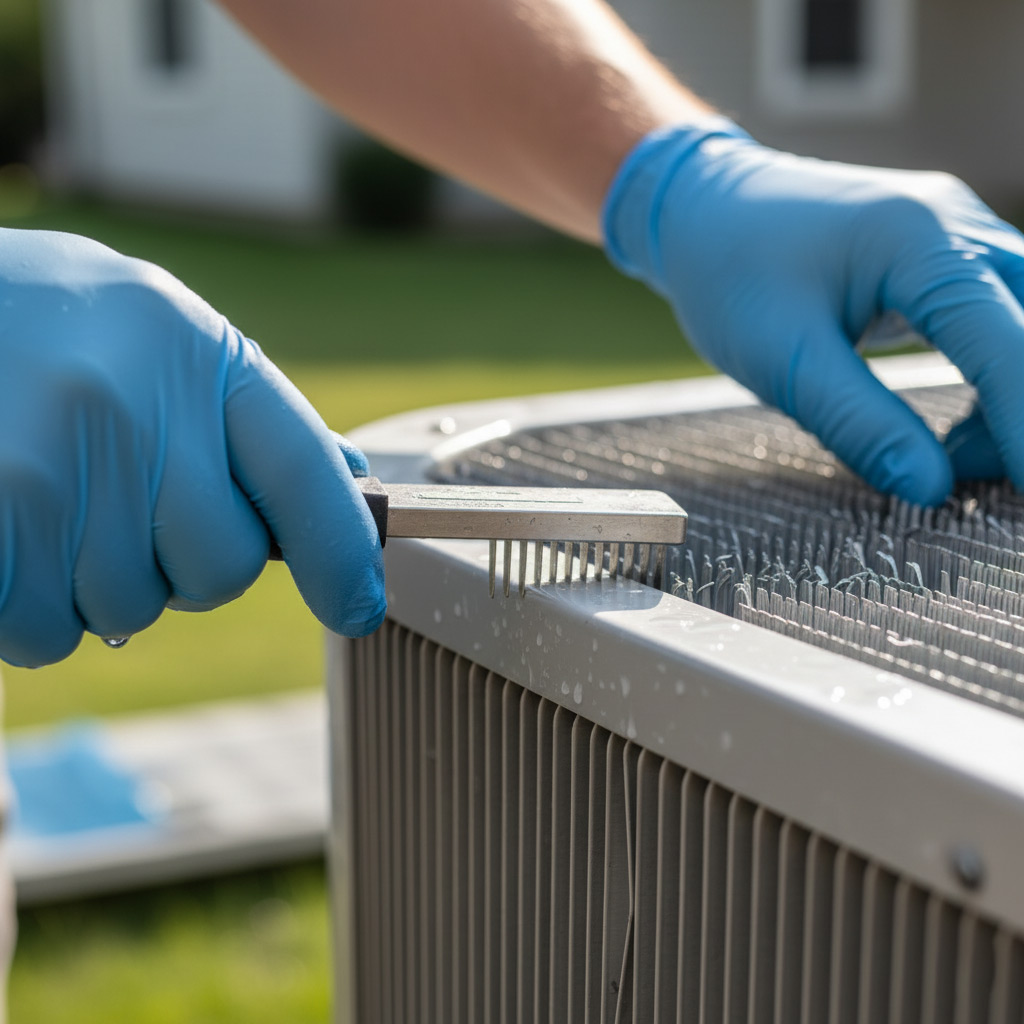
- Clean the outdoor condenser coils; dust and pollen love to settle there.
- Test the thermostat calibration – a few degrees off means higher bills.
Summer (June‑August)
- Check refrigerant pressure; low levels show up as weak cooling.
- Clear the condensate drain line to avoid water‑damage backups.
- Swap to a high‑MERV filter if you’re battling pollen or pet dander.
Fall (September‑November)
- Run the furnace in “pilot” mode to verify ignition and flame stability.
- Lubricate blower motor bearings; a quiet motor runs cooler.
- Seal any visible duct leaks – warm air shouldn’t escape into the attic.
Winter (December‑February)
- Perform a full system pressure test; frozen pipes are a nightmare.
- Check the carbon monoxide detector; safety first, always.
- Schedule a professional combustion analysis for peace of mind.
Stick to this rhythm and you’ll catch the cheap fixes before they turn into pricey emergencies. Your wallet and your comfort will thank you.
DIY Pre‑Season Tune‑Up: Tools, Safety, and Step‑by‑Step Tasks
Gather the Right Gear
Before you roll up your sleeves, line up a few basics: a screwdriver set, a digital multimeter, a fin‑cleaning brush, and a vacuum with a HEPA filter. Don’t skimp on a good flashlight—the dark corners of your furnace love to hide trouble.
Optional upgrades like a smart thermostat tester or a coil cleaning spray can shave minutes off the job, but they’re not mandatory. Keep the list short and focused so you don’t waste time hunting for tools mid‑task.
Safety First, Always
Turn off power at the breaker and shut off the gas valve; that’s non‑negotiable. A quick check with a voltage tester confirms the circuit is dead.
Wear safety glasses, gloves, and a dust mask. Even a small spark can turn into a big problem if you’re not protected.
Step‑by‑Step Checklist
Start with the obvious: remove and inspect the air filter. If it’s dirty, replace it with a fresh one—this alone can boost airflow by up to 30%.
- Vacuum the blower motor and fan blades; debris builds up faster than you think.
- Inspect the condensate drain line; a clogged line causes water leaks and mold growth.
- Check the thermostat calibration; set it to the recommended temperature for your climate.
- Examine the furnace igniter and gas valve for signs of wear; replace any cracked or corroded parts.
Finish by resetting the system and listening for odd noises. If everything runs smooth, you’ve earned a week of worry‑free comfort.

Professional Maintenance Checklist: What Technicians Look For
Pre‑Visit Prep
First thing’s first – the tech does a quick visual sweep. They’re hunting for obvious red flags before they even fire up the system.
- Loose or corroded wiring connections
- Visible wear on belts and pulleys
- Clearance around the outdoor unit (no leaves, debris, or shrubs)
Core System Diagnostics
Now the gadgets come out and the numbers start talking. This is where a hidden problem gets exposed.
- Refrigerant pressure check – low or high can spell trouble
- Thermostat calibration and sensor accuracy
- Airflow measurement across each register
Wrap‑Up & Recommendations
Last step: a quick clean, a written report, and a clear game plan. You’ll walk away knowing exactly what’s needed.
- Coil cleaning (evaporator & condenser)
- Lubricate moving parts and tighten bolts
- Provide a written estimate for any repairs or upgrades
Air Quality & Efficiency Boosters: Filters, Ducts, and Smart Thermostats
Filters: The First Line of Defense
Choosing the right filter can feel like picking a coffee blend—too cheap and you get grit, too fancy and you choke the airflow. Stick with a MERV 8‑11 pleated filter for most Murfreesboro homes; it traps pollen, pet dander, and the occasional construction dust without starving the blower.
Swap it out every 60‑90 days, or sooner if you’ve got a high‑traffic household. Pro tip: Mark the replacement date on the filter frame with a Sharpie—visual cues beat memory every time.
Ductwork: Clean Paths, Happy System
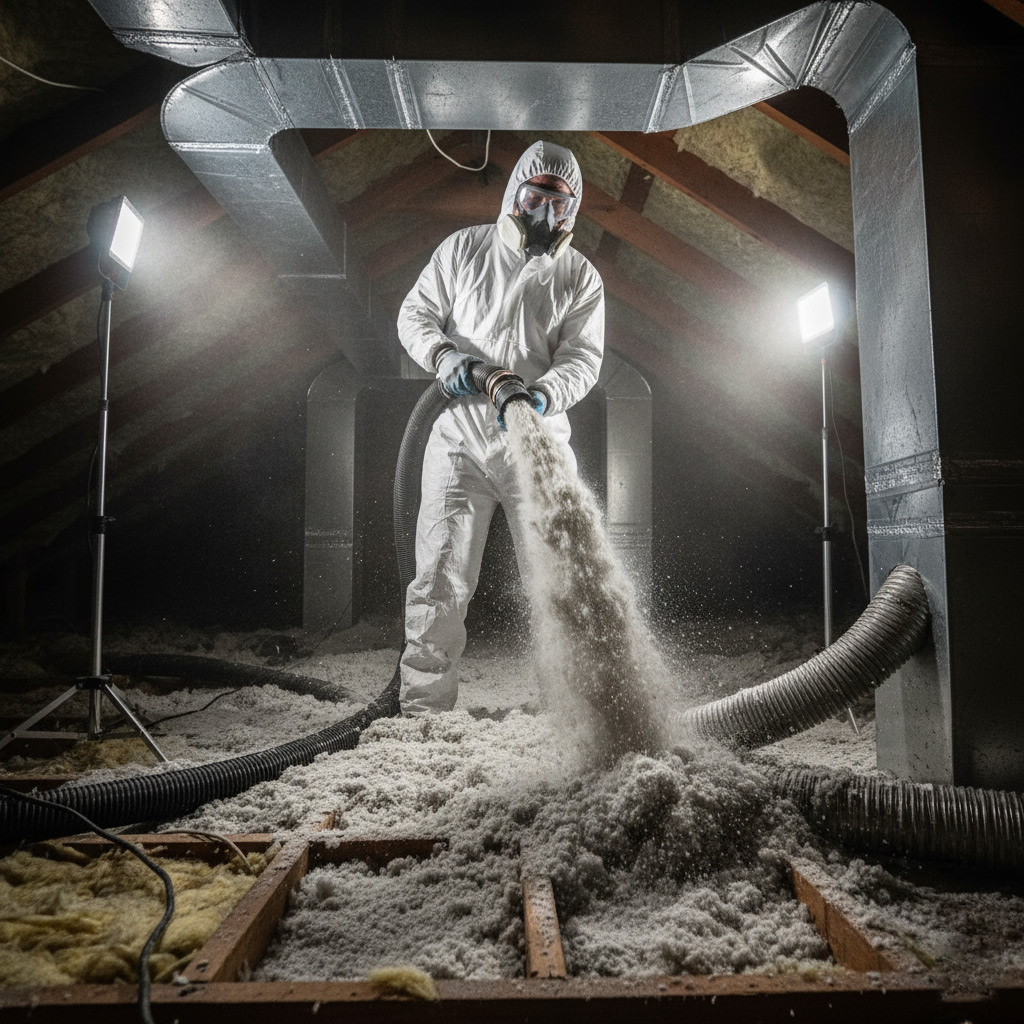
Even the best filter can’t fix a dusty maze. Leaky or clogged ducts force the furnace to work harder, spiking your bill. Look for these tell‑tale signs:
- Dust clouds puffing out when you turn the fan on
- Uneven temperatures between rooms
- Visible mold or mildew around vent covers
If any of the above pop up, schedule a professional duct inspection. A quick seal and a brush‑down can shave 5‑10% off your energy use.
Smart Thermostats: The Brain Behind the Comfort
Modern thermostats do more than set a temperature; they learn your schedule, detect occupancy, and even warn you of system strain. Look for features like geofencing (auto‑adjusts when you leave) and energy‑usage reports that show you where the money’s leaking.
Install it at eye level, away from direct sunlight, and sync it with your phone. You’ll get alerts before a filter clogs or a coil freezes—giving you a chance to act before the house turns into an ice box or sauna.
Common Murfreesboro HVAC Issues & How to Spot Them Early
Spot the Red Flags
When your furnace starts cycling on and off like a flickering light, it’s a classic sign of short‑cycling. That usually means the blower motor is struggling or the thermostat is confused.
Another tell‑tale symptom is a frozen coil on the air conditioner—look for ice buildup on the evaporator after a hot day. If you hear rattling or banging, the heat exchanger might be cracked, and you’ll want to shut it down fast.
- Uneven room temperatures
- Unusual noises (buzzing, clanking)
- Ice on AC coils
- Furnace that won’t stay on
Early Warning Signs
Watch your utility bill. A sudden jump, even when you haven’t changed your habits, often points to a dirty filter or a failing blower.
Feel for moisture around the unit. A puddle or damp spot near the furnace indicates a condensate line blockage or a leaky heat exchanger.
- Higher energy costs
- Water stains on walls or ceilings
- Musty or burning odors
- Thermostat displaying erratic temperatures
Murfreesboro‑Specific Triggers
Our humid summers love to coat ducts with mold, so a musty smell when the AC kicks on is a red flag. Spring pollen can clog filters faster than you think, turning a clean‑air promise into a dust‑storm.
And don’t forget tornado season—debris can jam outdoor units, causing the compressor to overheat. A quick visual check after a storm can save you a pricey repair.
- Excessive humidity leading to mold
- Pollen‑filled filters in spring
- Storm debris around outdoor condensers
- Unusual smells indicating mold or burnt wiring
Case Study: How a Local Home Saved $1,200 with Proactive Maintenance
When the Johnsons noticed their furnace humming louder than a marching band in early November, they called us before the first freeze hit. Instead of waiting for a breakdown, they agreed to a full pre‑season tune‑up, and the numbers spoke for themselves.
The Maintenance Playbook
Our tech walked through a checklist that any savvy homeowner could follow:
- Cleaned the blower assembly – dust buildup was throttling airflow.
- Inspected and tightened all electrical connections – a loose wire can spark a $500 repair.
- Replaced the 3‑year‑old air filter with a high‑MERV model – instant boost in efficiency.
- Checked refrigerant charge and calibrated the thermostat – saved another $200 in energy waste.
Each step took under an hour, but the payoff was huge. The furnace ran 15% cooler, the electric bill dropped, and a potential coil leak was caught before it turned into a $1,200 emergency.
“I thought I was saving money by skipping the service,” says homeowner Mark Johnson. “Turns out I saved $1,200 and got peace of mind for the whole winter.”
Final Words: Keeping Your HVAC System Ready Year‑Round
Think of your HVAC as a car—you wouldn’t skip oil changes and expect it to run forever. Set a calendar reminder for each season, and treat that alert like a bill due. A quick 15‑minute walk‑through before the heat or chill hits can save you weeks of downtime.
Your Year‑Round Playbook
- Spring: Check condensate drain, clean outdoor coil, verify thermostat calibration.
- Summer: Swap to a high‑MERV filter, inspect fan belts, run a short “blow‑out” cycle to clear dust.
- Fall: Seal any duct leaks, test furnace ignition, lubricate motor bearings.
- Winter: Verify gas pressure, clear snow from the unit, run a short heat‑up test before the first freeze.
When you hit a snag, don’t guess—call a pro who knows Murfreesboro’s quirks. Our technicians follow a HVAC Maintenance protocol that catches problems before they bite, keeping your home comfortable and your wallet happy.
People Also Ask
How often should I schedule HVAC maintenance in Murfreesboro, TN?
A full professional inspection is recommended twice a year—once in the spring before cooling season and once in the fall before heating season. This timing aligns with local climate changes and helps catch issues early.Can I perform a pre‑season HVAC tune‑up myself?
Yes, homeowners can handle basic tasks such as cleaning or replacing filters, checking thermostat settings, and clearing debris from outdoor units. Always turn off power and follow safety guidelines before starting any DIY work.What are the most common HVAC problems in Murfreesboro homes?
Frequent issues include clogged filters, refrigerant leaks, and worn fan belts caused by the region’s hot summers and occasional winter freezes. Early detection through regular checks can prevent costly repairs.Do smart thermostats improve HVAC efficiency in Tennessee?
Smart thermostats can reduce energy use by up to 15% by learning your schedule and adjusting temperatures automatically. They also provide alerts for maintenance needs, helping you stay proactive.How much can I save by maintaining my HVAC system regularly?
Proactive maintenance can extend equipment life and improve efficiency, often saving homeowners $500‑$1,500 annually on energy bills and repair costs. The case study below shows a local family saved $1,200 in one year.
Murfreesboro HVAC brings over 15 years of heating and cooling expertise to the Murfreesboro community. Their team of certified technicians delivers reliable service and tailored solutions for residential and commercial properties. Committed to energy efficiency and local support, they keep homes comfortable year‑round.
Need HVAC?
Fast, reliable heating and cooling service for homes and businesses in Murfreesboro, TN (37129, 37130, 37131, 37132) and nearby communities. We diagnose, repair, and install HVAC systems so you stay comfortable year‑round, often completing appointments the same day.
Get HVAC Quote