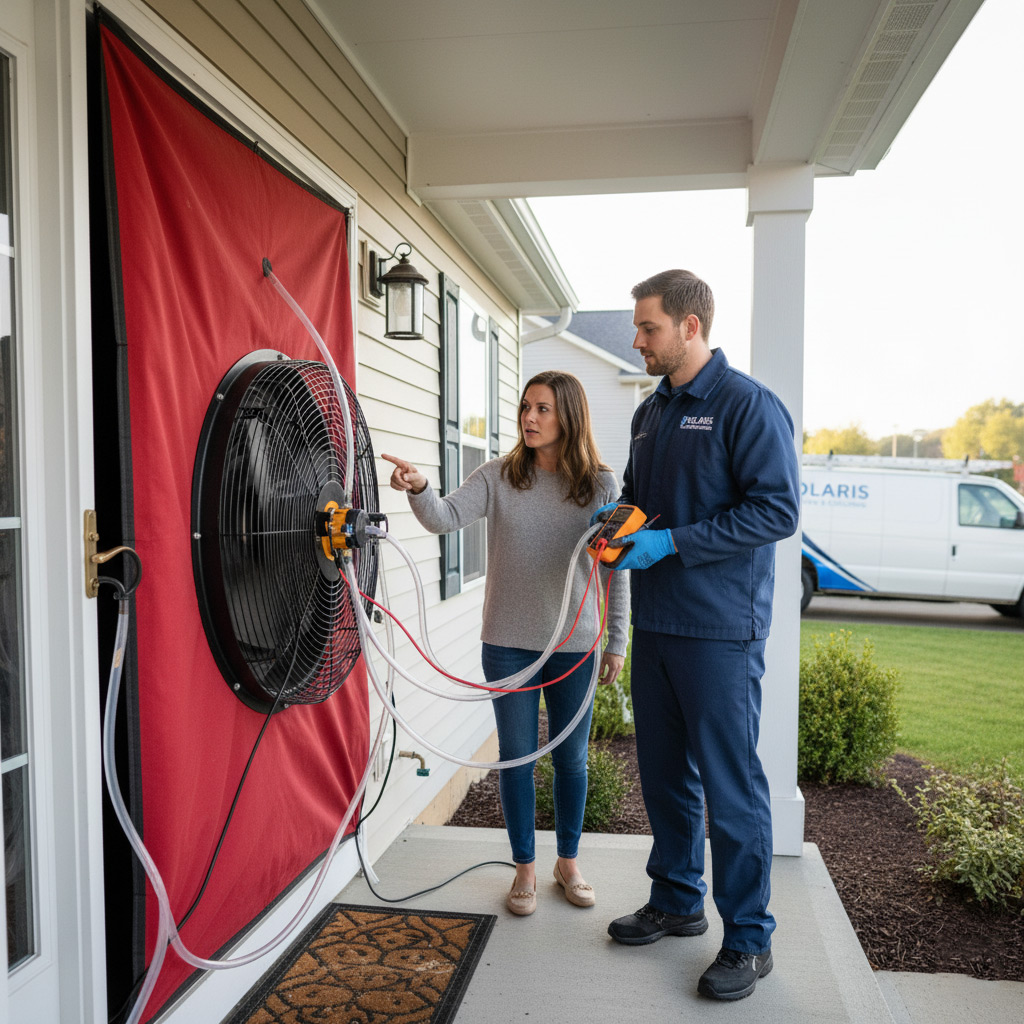
Picture this: you sign a contract for a brand‑new boiler, the price looks right, the salesman smiles, and a few weeks later your heating bill looks like it belongs to a small factory.
What most Murfreesboro homeowners never hear is that the “low‑ball” quote often hides a maze of hidden fees, sub‑par parts, and shortcuts that turn a simple install into a money‑sucking nightmare. The truth is, the local market is riddled with tricks that keep you paying more while the system underperforms.
If you’re ready to cut through the smoke and get a boiler that actually saves you cash, stick around – the real secrets are just a scroll away.
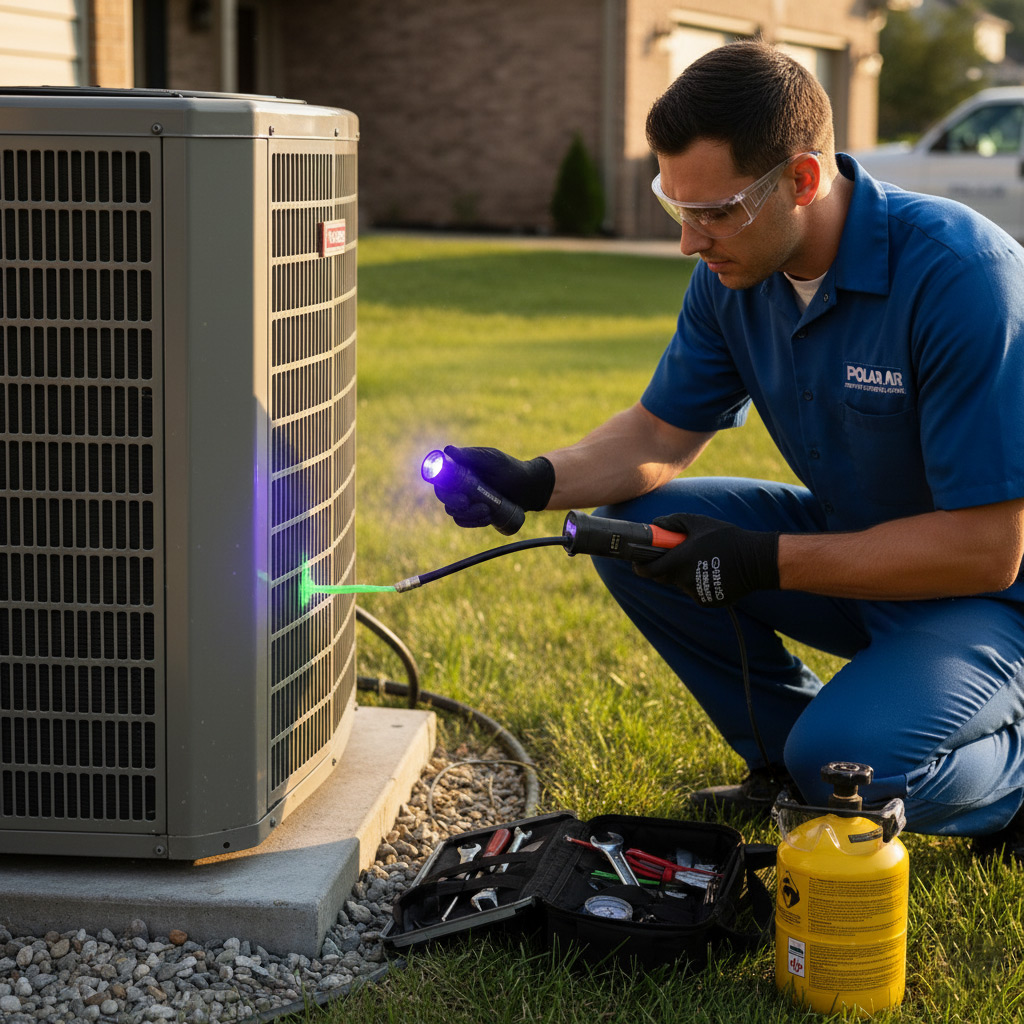
The Different Boiler Options Every Murfreesboro Homeowner Should Know
When you walk into a showroom you’ll see a parade of boiler models—cast‑iron, high‑efficiency condensing, combi, electric, and oil‑fired. Each one talks a different language when it comes to heat output, fuel cost, and space requirements. Picking the wrong breed can leave you shivering in winter or paying for heat you never use.
Choosing the Right Fit for Your Home
- Cast‑iron boiler: Heavy‑duty, long‑lasting, but takes up a lot of room and needs regular maintenance.
- Condensing boiler: Packs a 30‑40% efficiency boost, works best with low‑temperature radiant systems.
- Combi boiler: Delivers hot water on demand, perfect for smaller households without a separate water tank.
- Electric boiler: No gas line needed, ideal for tight budgets on fuel, but electricity rates can add up.
- Oil‑fired boiler: Great for rural spots where natural gas isn’t available, yet oil prices swing wildly.
Don’t forget the size matters rule—an oversized unit burns fuel like a furnace, while an undersized one runs nonstop trying to keep up. Talk to a local pro who can run a heat‑loss calculation and match the boiler’s BTU rating to your square footage. That’s the only way to avoid a system that’s either a money‑draining hamster wheel or a cold, silent disappointment.
Uncovering Hidden Fees: Permits, Labor Markup, and Unexpected Charges
Most Murfreesboro homeowners think the quote they get is the whole story. What they don’t see is the pile of paperwork and fees that pop up after the contract is signed.
Permits: The Silent Add‑On
Every new boiler needs a city permit, but many contractors bundle that cost into “miscellaneous.” The result? A surprise line item that can add $300‑$600 to your bill.
- Building permit – usually $150‑$250.
- Mechanical permit – $100‑$200, depending on the system size.
- Inspection fees – $75‑$150 per visit.
Labor Markup: When the Hourly Rate Gets Inflated
Some installers quote a low labor rate, then tack on a markup once the job starts. That markup can be 20‑30% of the total labor cost, turning a $2,000 job into $2,600.
- Base labor rate – $85‑$110 per hour.
- Markup – often hidden as “project management fee.”
- Extra crew members – each adds $25‑$40 per hour.
Surprise Charges That Show Up on the Final Invoice
Even after permits and labor, there are other costs that creep in. They’re easy to overlook because they’re not mentioned until the installer shows up with a final invoice.
- Disposal fees for the old boiler – $150‑$300.
- System start‑up and testing – $100‑$200.
- Travel surcharge for remote neighborhoods – $50‑$100.
Why Cutting Corners on Parts Leads to Higher Long‑Term Costs
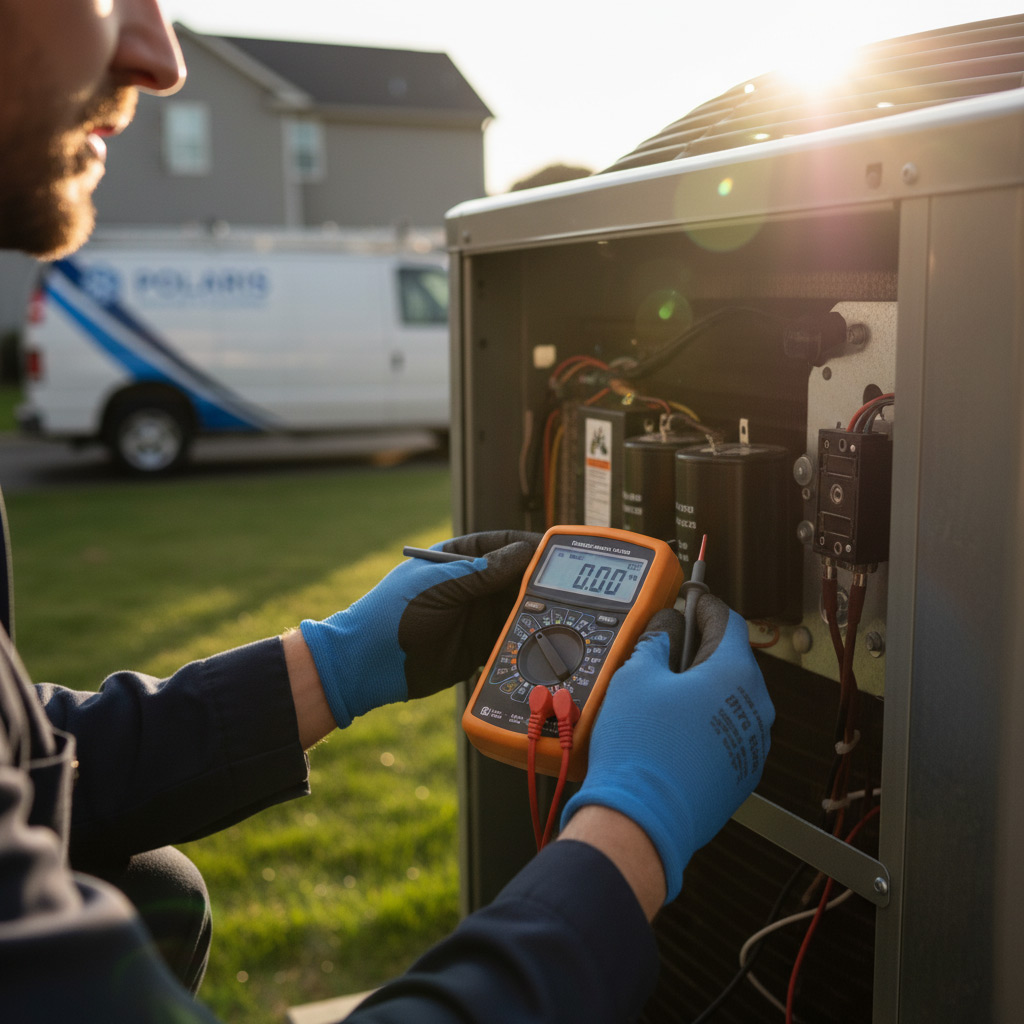
When a contractor swaps a genuine heat‑exchanger for a knock‑off, the price looks good at checkout. That’s the trap. Within months the part corrodes, the boiler sputters, and you’re back on the phone with a repair crew.
Cheap Parts = Expensive Repairs
- Low‑grade valves can stick, forcing the system to overwork.
- Substandard pumps lose pressure, making your furnace work harder.
- Fake thermostats misread temperature, causing unnecessary heating cycles.
Each of those failures adds up. Labor rates in Murfreesboro aren’t cheap, and a single fix can cost as much as the original boiler.
Warranty Risks
- Manufacturers often void warranties if non‑OEM parts are installed.
- That means you’re on the hook for any future breakdown.
- Repair bills can sky‑rocket when the warranty is gone.
Don’t let a “savings” today become a debt tomorrow. A solid part today saves you a pile of invoices later.
Invest Now, Save Later
- Choose certified components; they’re built to handle Tennessee winters.
- Ask for a parts list before signing the contract.
- Ask the installer to explain why each part matters.
When you pay for quality up front, the boiler runs smoother, the bills stay low, and you avoid the headache of emergency calls. That’s the real ROI.
The Real Impact of Poor Installation Practices on Efficiency and Bills
Heat Loss Starts at the Installation
When a contractor slaps a boiler in without proper pipe sizing, the system fights itself. Cold spots appear, and the furnace works overtime to chase a temperature that never arrives.
Typical slip‑ups include:
- Undersized supply lines that restrict flow.
- Improper vent termination that drafts heat outside.
- Loose connections that leak water and pressure.
Your Wallet Feels the Burn
A mis‑installed boiler can gobble 15‑30% more fuel than a clean job. That translates to extra dollars on every bill, month after month.
Long‑term costs you’ll see:
- Higher utility bills that never level out.
- Premature part wear, forcing early replacements.
- Warranty voids because the installer didn’t follow specs.
Red Flags to Watch
Listen for rattles, feel for uneven heat, and check the thermostat’s response. If the house takes forever to warm up, the install is probably off.
Quick checks you can do yourself:
- Feel the pipe at the boiler—should be warm, not icy.
- Watch the pressure gauge; steady is good, spikes are bad.
- Inspect the vent for condensation buildup.
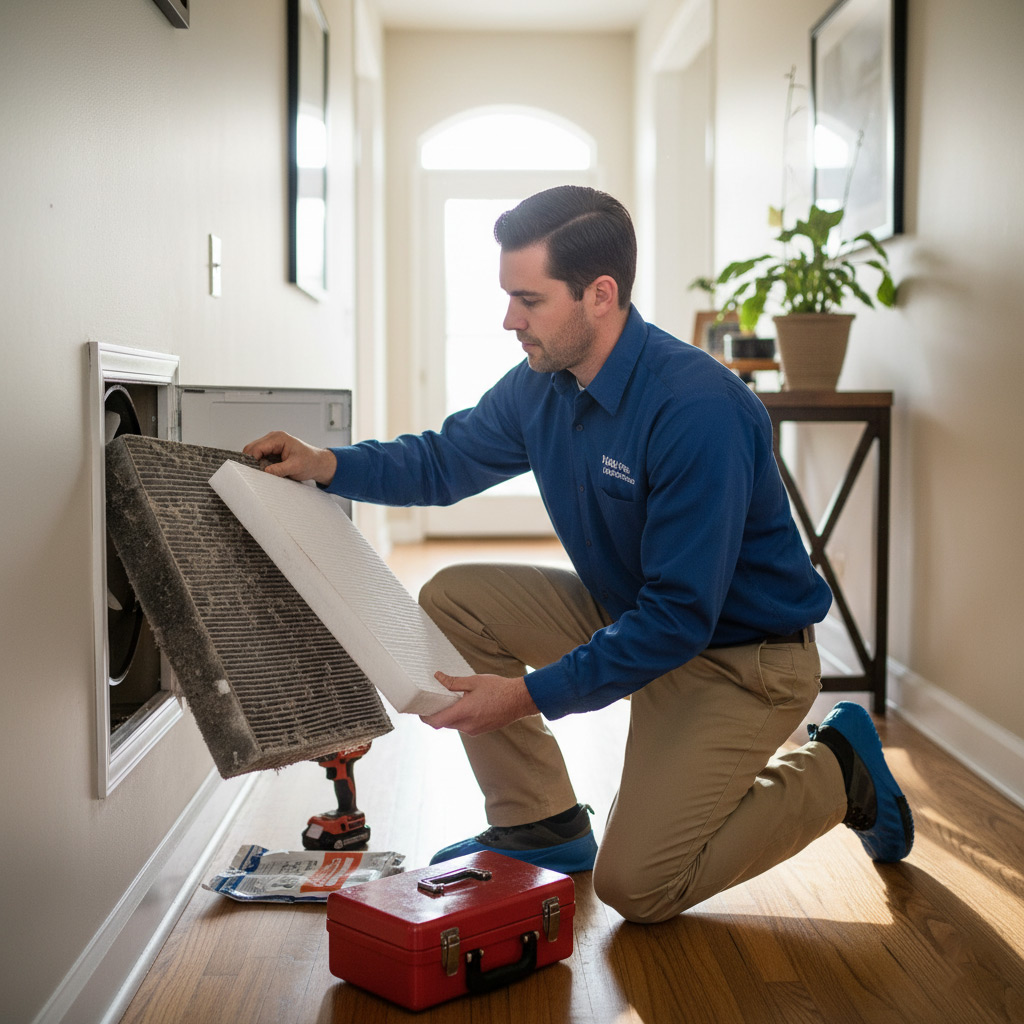
How to Vet and Choose a Trustworthy Boiler Installation Contractor
Check the paperwork first
Ask for a copy of the contractor’s Tennessee license and proof of liability insurance; a reputable installer won’t hesitate. Verify the numbers on the state website or call the licensing board – a quick call can save you months of headaches.
Dig into their track record
Request at least three recent references from Murfreesboro homeowners who had similar boiler installs. Listen for details about timeliness, clean‑up, and whether the system performed as promised. A contractor who can point to a portfolio of completed jobs is usually confident in their work.
Scrutinize the estimate and contract
Look for a line‑item breakdown that separates equipment, labor, permits, and any optional upgrades. Beware of “all‑inclusive” numbers that hide extra charges later. Key contract clauses to watch include:
- Warranty length on both parts and labor.
- Clear payment schedule – no huge upfront fees.
- Cancellation policy and what happens if the job overruns.
If the contractor can’t explain any of these points in plain language, keep walking. The right pro will make the process transparent, not mysterious.
Case Study: Transforming a Murfreesboro Home’s Heating System and Saving $2,300
Before the Install
When the Johnson family called, their 30‑year‑old cast‑iron boiler was coughing out more heat than a summer BBQ. Their energy bill was hovering around $1,200 a month, and the furnace was sputtering on the brink of failure.
They’d been quoted $7,800 for a “new” boiler, but the price included a vague “installation fee” and a “system tune‑up” that never materialized.
The Turnaround
We stepped in with a transparent, item‑by‑item proposal. First, we swapped the aging boiler for a high‑efficiency condensing unit rated at 95% AFUE. Next, we added a smart thermostat and a properly sized expansion tank—parts the previous contractor had skimped on.
Key upgrades:
- Condensing boiler – cuts fuel use by up to 30%.
- Zone‑control valves – let each floor run only when needed.
- Professional pipe‑insulation – eliminates heat loss before it even reaches the radiators.
The Bottom Line
Installation cost came to $5,500, $2,300 less than the original quote. Within three months, the Johnsons saw a $400 monthly drop in their heating bill, translating to a full payback in under a year.
Beyond the dollars, the house now stays at a steady 70°F, and the family finally feels confident that their heating system won’t quit on a cold night.
Final Words
Before you hand over a check, make sure the contractor can back every claim with paperwork. A solid quote should list the boiler model, labor hours, permit fees, and a warranty that covers both parts and installation.
Quick Checklist Before You Sign
- Ask for a copy of the permit application and confirm it’s been filed with the city.
- Verify that the manufacturer’s warranty isn’t voided by third‑party parts.
- Get a written breakdown of labor markup versus standard rates in Murfreesboro.
- Insist on a post‑install performance test and a written efficiency rating.
When you’re ready to move forward, reach out to a local pro who specializes in Boiler Installation. A reputable installer will walk you through each step, answer the tough questions, and leave you with a heating system that actually pays for itself.
People Also Ask
What boiler types are most common for homes in Murfreesboro?
Most Murfreesboro homeowners choose between traditional cast‑iron, high‑efficiency condensing, and electric boilers. Each offers different upfront costs and efficiency levels, so matching the system to your home’s size and fuel source is key.Are there hidden fees when installing a new boiler?
Yes. Besides the boiler price, you may encounter permits, disposal fees for the old unit, and labor markups that vary by contractor. Always request a detailed, itemized estimate before signing a contract.Why is it risky to buy cheap replacement parts for a boiler?
Low‑cost parts often lack the durability and performance of OEM components, leading to premature failures and higher repair bills. Investing in quality parts ensures the system runs efficiently and lasts longer.How does a poor installation affect my energy bills?
Improper sizing, incorrect venting, or inadequate insulation can reduce a boiler’s efficiency by up to 20%, causing higher fuel consumption and larger monthly bills. A professional, code‑compliant install maximizes performance and savings.What should I look for when choosing a boiler installation contractor?
Check for proper licensing, insurance, and local references, and verify that the contractor follows manufacturer installation guidelines. Transparent pricing, a solid warranty, and clear communication are also essential indicators of reliability.
Murfreesboro HVAC brings over 15 years of certified heating and cooling expertise to the Murfreesboro community. Their team combines local knowledge with industry‑leading training to deliver reliable service for residential and commercial clients. Committed to energy efficiency and responsive support, they keep homes comfortable year‑round.
Need HVAC?
Fast, reliable heating and cooling service for homes and businesses in Murfreesboro, TN (37129, 37130, 37131, 37132) and nearby communities. We diagnose, repair, and install HVAC systems so you stay comfortable year‑round, often completing appointments the same day.
Get HVAC Quote