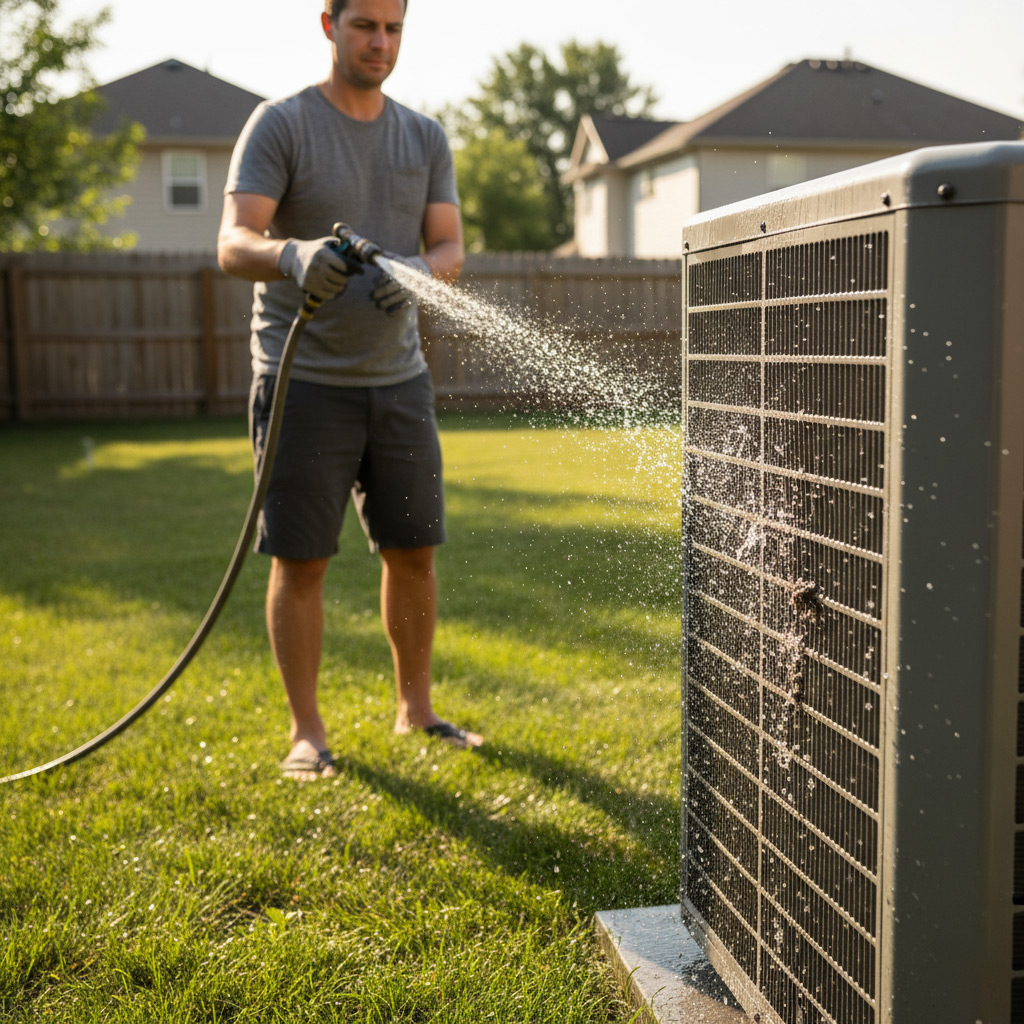
Your furnace just coughed its last breath and the thermostat is flashing red—what now?
In Murfreesboro’s swing‑season weather, a busted HVAC system isn’t just an inconvenience; it’s a money‑leak that can turn a mild night into a sleepless nightmare. Knowing when to pull the plug on an old unit and how to pick a replacement that actually pays for itself is the difference between a smart investment and a buyer’s remorse.
That’s why we’ve laid out a step‑by‑step roadmap that cuts through the jargon, saves you time, and puts you in control of every decision—so you can keep your home comfortable without breaking the bank. Keep reading and you’ll see exactly what to look for, when to act, and how to lock in the best deal in town.
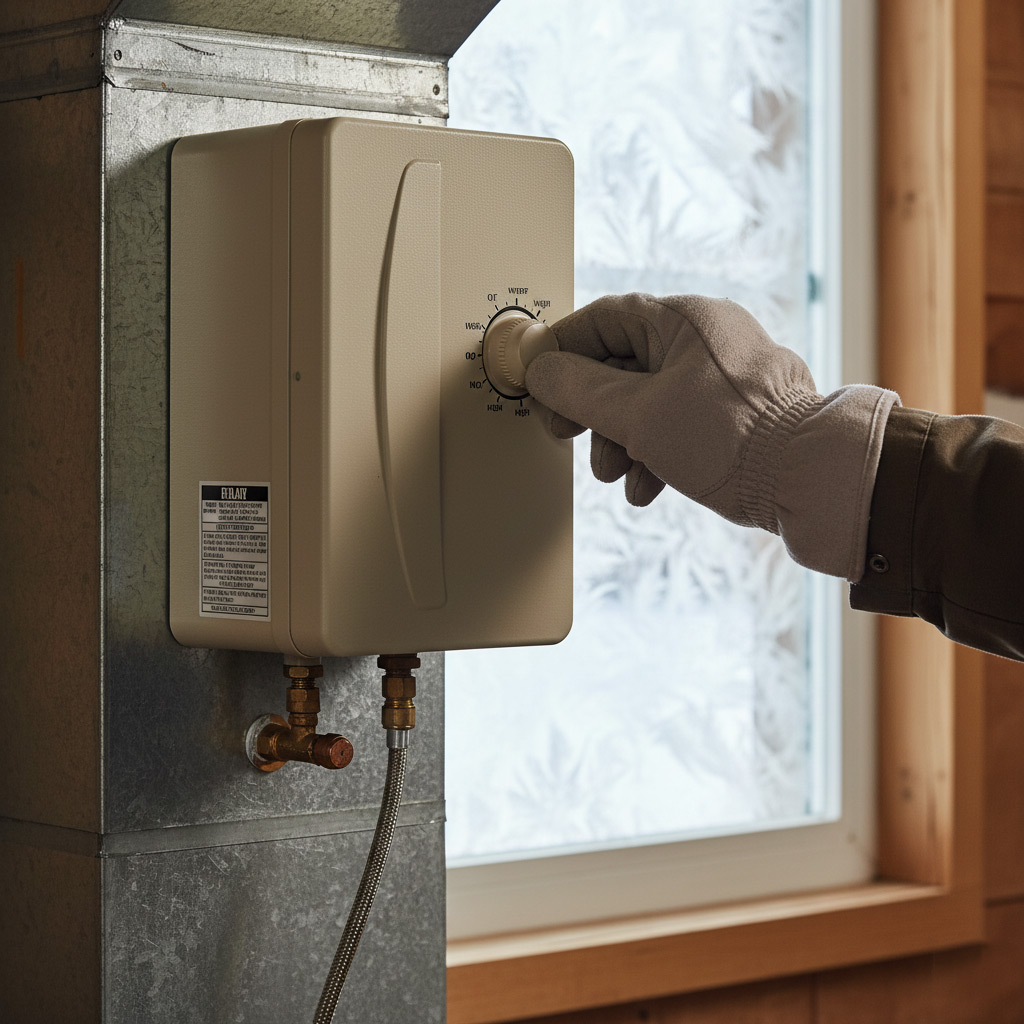
How to Diagnose When Your HVAC System Truly Needs Replacement
Before you start hunting for a new unit, make sure the problem isn’t a quick fix. A furnace that sputters, a AC that takes forever to cool, or a thermostat that throws a tantrum are often warning lights, not death sentences.
Red Flags You Can’t Ignore
- Age over 15 years – most manufacturers stop honoring warranties after this point.
- Repeated repairs costing more than one‑third of a new system’s price.
- Uneven temperatures between rooms, even after adjusting vents.
- Strange noises – rattling, grinding, or high‑pitched squeals.
- Sky‑high energy bills that keep climbing despite regular maintenance.
If two or more of these items show up, it’s time to call a pro. A certified technician will run a blower motor test, check refrigerant levels, and measure airflow. Their report will tell you whether a part replacement will do the trick or if the whole system is past its prime.
Don’t let pride keep you from a second opinion. A fresh set of eyes can spot a failing capacitor or a clogged coil that a DIY fix would miss. When the verdict is “replace,” you’ll have the confidence to move forward knowing you avoided a costly mistake.
Decoding Energy Efficiency Ratings: SEER, AFUE, and HSPF Explained
What SEER Actually Means
SEER (Seasonal Energy Efficiency Ratio) tells you how many BTUs of cooling you get for each watt of electricity. In plain English, a higher SEER number = lower electric bill during those hot Murfreesboro summers.
Typical units range from 13 SEER (budget) to 21 SEER (premium). The sweet spot for most homeowners is 16‑18 SEER – you get noticeable savings without paying top‑dollar upfront.
- 13‑14 SEER: entry‑level, decent for mild climates.
- 15‑18 SEER: best balance of cost and savings.
- 19+ SEER: high‑performance, ideal if you qualify for rebates.
AFUE – The Furnace’s Report Card
AFUE (Annual Fuel Utilization Efficiency) measures how much heat a furnace actually puts into your home versus what it burns. A 90% AFUE furnace turns 90 cents of every dollar of fuel into warm air; the rest escapes up the chimney.
Older models sit around 70‑75% AFUE, while modern gas furnaces hit 95% or higher. Upgrading to a 95% unit can shave dozens of dollars off your winter heating bill.
HSPF – Heat Pump’s Secret Weapon
HSPF (Heating Seasonal Performance Factor) is the heat‑pump equivalent of SEER, but for the heating season. It counts BTUs of heat delivered per watt of electricity over a full winter cycle.
Look for a heat pump with at least 8.5 HSPF in Tennessee; anything above 10 HSPF is considered high‑efficiency and will pay for itself faster, especially when paired with a good thermostat.

Selecting the Right Size and Type of System for Your Murfreesboro Home
Why Size Matters
Too big, and your unit will short‑cycle, wasting energy and wearing out components fast. Too small, and you’ll be stuck shivering while the compressor runs nonstop.
Getting the sweet spot starts with a proper Manual J load calculation. That’s the industry’s gold standard for figuring out exactly how many BTUs your house needs.
- Square footage – bigger rooms need more power.
- Insulation quality – poor insulation = higher demand.
- Window orientation – south‑facing windows add heat load.
- Ceiling height – higher ceilings increase volume.
Choosing the Right System Type
Murfreesboro’s climate swings from hot summers to chilly winters, so you need a system that handles both ends of the spectrum.
Here are the three most common choices for local homes:
- Split‑system AC + furnace – classic combo, great for homes with existing ductwork.
- Heat pump – delivers cooling and heating in one unit, ideal for moderate winters.
- Hybrid (dual‑fuel) system – pairs a heat pump with a gas furnace, automatically switches to the cheaper fuel.
Local Factors & Pro Tips
Don’t guess. Let a certified Murfreesboro technician run the numbers and recommend a unit that matches your home’s footprint and your budget.
Ask for the SEER and AFUE ratings that meet Tennessee’s energy code, and verify the warranty covers both parts and labor for at least five years.
Cost Comparison: New Installation vs. Repair – Calculating True ROI
Upfront vs. Lifetime Cost
When a furnace sputters, the repair bill can feel like a quick fix. But a brand‑new unit often carries a heftier price tag.
What matters is the total cost over the system’s life. Look at these three numbers:
- Initial outlay – price of parts, labor, and any permits.
- Operating expense – energy use, routine maintenance, and filter changes.
- Replacement horizon – how many years the equipment will actually last.
Crunching the ROI
Take the repair cost, add projected energy bills for the next five years, then compare that sum to the price of a new, high‑efficiency unit plus its lower utility bill.
If the new system saves you $300 a year on electricity and lasts 15 years, that’s $4,500 in savings. Subtract the $2,800 installation cost and you’ve got a $1,700 net gain before taxes.
Hidden Costs & Break‑Even Point
Don’t forget the “gotchas”: frequent breakdowns, emergency service fees, and the risk of a total failure during a heat wave.
Map those expenses onto a timeline. The point where cumulative repair costs equal the new‑system price is your break‑even. In most Murfreesboro homes, that line appears around the 3‑ to 4‑year mark.

Financing, Rebates, and Incentives Available to Murfreesboro Residents
Local utility rebates that actually pay off
Middle Tennessee Electric (MTEN) and the Murfreesboro Water & Light Authority regularly offer cash‑back for high‑efficiency furnaces and heat pumps. The rebate amount can range from $200 to $800 per unit, depending on the SEER or AFUE rating you choose.
To claim it, you’ll need:
- A proof‑of‑purchase that shows the model meets the utility’s efficiency criteria.
- A completed rebate form submitted within 30 days of installation.
- Installation by a licensed Murfreesboro contractor (that’s us).
State and federal tax credits you shouldn’t ignore
The 2024 Federal Energy Tax Credit covers up to 30% of the equipment cost for qualifying heat pumps, with a $2,000 cap per residence. Tennessee also offers a state‑wide incentive that adds another $500 for ENERGY STAR‑rated units.
Remember:
- Credits are claimed on your federal tax return, not a rebate check.
- Keep the Manufacturer’s Certification Statement; the IRS asks for it.
- Combine the credit with local rebates for a triple‑dip on savings.
Financing that keeps cash flow smooth
Many Murfreesboro homeowners opt for a 0% APR promotional loan from local banks or a 3‑year fixed‑rate plan through our partner, GreenPath Financing. Both let you spread the cost without paying interest if you pay on time.
Key points to watch:
- Zero‑interest offers usually require a credit score of 680 or higher.
- Some plans include a “upgrade clause” – you can swap to a newer model within 5 years at a reduced rate.
- Early‑pay penalties are rare, but double‑check the fine print.
Case Study: A Successful HVAC Replacement in a Historic Murfreesboro Home
The Challenge
When the 1905 Victorian on Main Street finally stopped heating, the owners feared losing the home’s original trim and crown molding. They needed a system that fit under low‑ceiling ducts without ripping out the plaster. Adding to the pressure, the old unit was guzzling electricity like a neon sign.
The Solution
We installed a high‑efficiency, variable‑speed heat pump paired with a compact, insulated air handler that slides into the existing closet. The unit’s SEER 18 rating slashed energy use by roughly 35%.
- Custom‑fabricated duct sleeves preserved the original woodwork.
- Smart thermostat integration let the family set schedules from their phones.
- All work complied with the local historic district guidelines.
The Payoff
First‑year savings hit $1,200, and the homeowner reports a “consistent, whisper‑quiet” climate even during the hottest July days. ROI hit break‑even in just 4.5 years, well ahead of the typical 7‑year horizon for older homes.
Final Words
Even after the dust settles, the smartest homeowners keep an eye on their system’s health. A quick visual check each spring and fall can catch a loose wire or a clogged filter before it becomes a costly repair.
Three quick habits to lock in performance
- Log the thermostat settings – note any temperature swings that feel off.
- Swap filters every 30‑60 days during peak heating or cooling months.
- Schedule a professional tune‑up HVAC Replacement service at least once a year.
When you’re ready to move forward, reach out to a local Murfreesboro tech who knows the climate quirks. A seasoned pro will walk you through warranty options, confirm the unit’s sizing, and lock in any available rebates – all without the sales pressure.
People Also Ask
How do I know if my HVAC system truly needs replacement?
If your unit is over 15 years old, requires frequent repairs, or shows a significant drop in performance, replacement is likely more cost‑effective. Look for uneven heating/cooling, rising utility bills, and strange noises as warning signs.What do SEER, AFUE, and HSPF ratings mean for my new system?
SEER measures cooling efficiency, AFUE measures heating efficiency, and HSPF measures heat‑pump performance in heating mode. Higher numbers indicate lower energy consumption and can qualify you for rebates.How can I determine the right size HVAC system for my Murfreesboro home?
A professional load calculation (Manual J) considers square footage, insulation, window orientation, and local climate to size the unit correctly. Oversized or undersized systems reduce comfort and increase wear.Is it cheaper to repair my old HVAC or install a new one?
Calculate the total cost of repeated repairs versus the upfront price of a new, energy‑efficient unit. A new system often pays for itself within 5‑7 years through lower energy bills and fewer service calls.What financing options and rebates are available for HVAC replacement in Murfreesboro?
Local utilities and the Tennessee Energy Efficiency Program offer rebates for high‑efficiency models, and many contractors provide 0 % financing for up to 60 months. Check with the Murfreesboro City Utilities and the Tennessee Department of Environment for current incentives.
Murfreesboro HVAC brings over 15 years of heating and cooling expertise to the Murfreesboro community. Their certified technicians specialize in residential and commercial systems, delivering reliable service tailored to local climate demands. Committed to energy efficiency and responsive support, they keep homes comfortable year‑round.
Need HVAC?
Fast, reliable heating and cooling service for homes and businesses in Murfreesboro, TN (37129, 37130, 37131, 37132) and nearby communities. We diagnose, repair, and install HVAC systems so you stay comfortable year‑round, often completing appointments the same day.
Get HVAC Quote