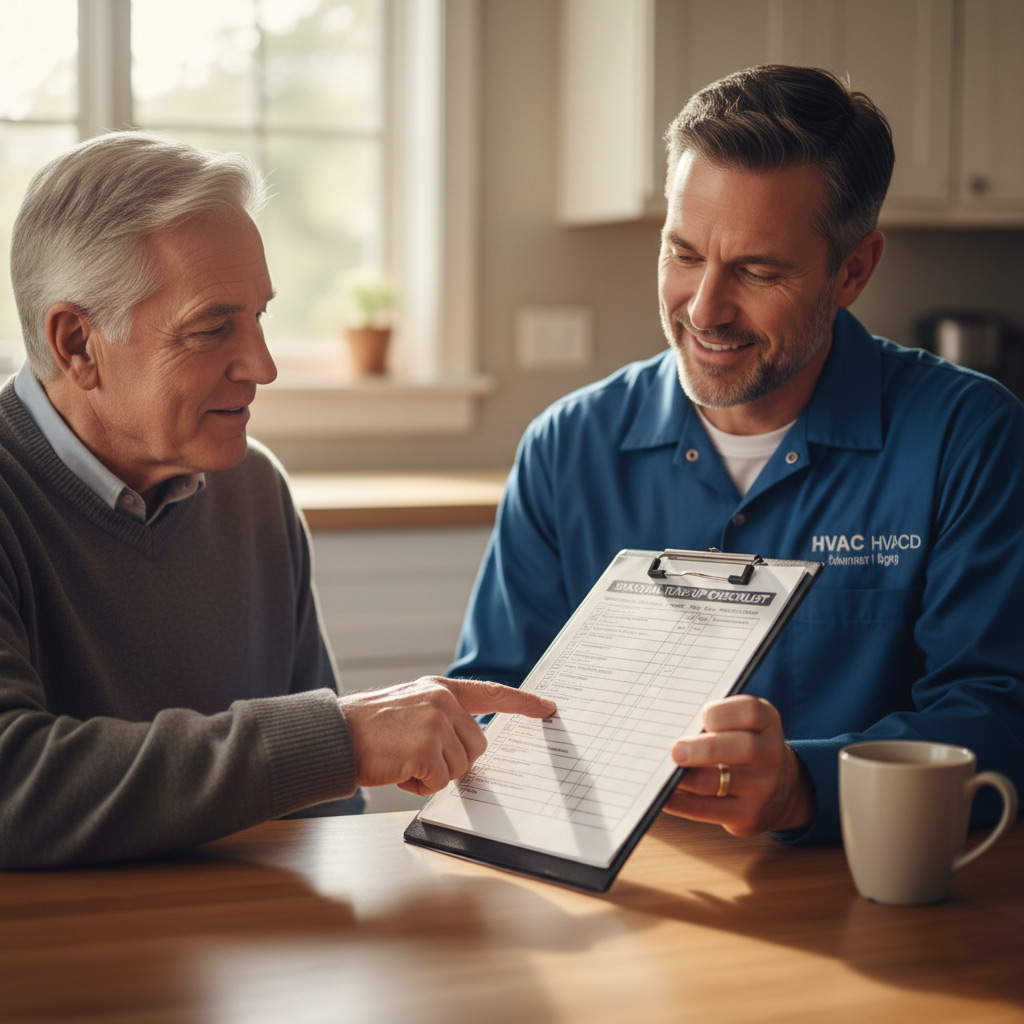
Ever opened a service invoice and felt your heart skip a beat because the numbers looked like a joke? That’s the exact feeling homeowners in Murfreesboro get when they’re hit with an unexpected HVAC testing bill.
What makes the price jump? From the size of your system to the age of the equipment, every detail adds a line item. And while some contractors throw in “free” diagnostics, the real cost often hides behind the fine print.
Stick around and we’ll pull back the curtain on what you should really expect to pay, where the sneaky fees hide, and how to keep your budget in check.
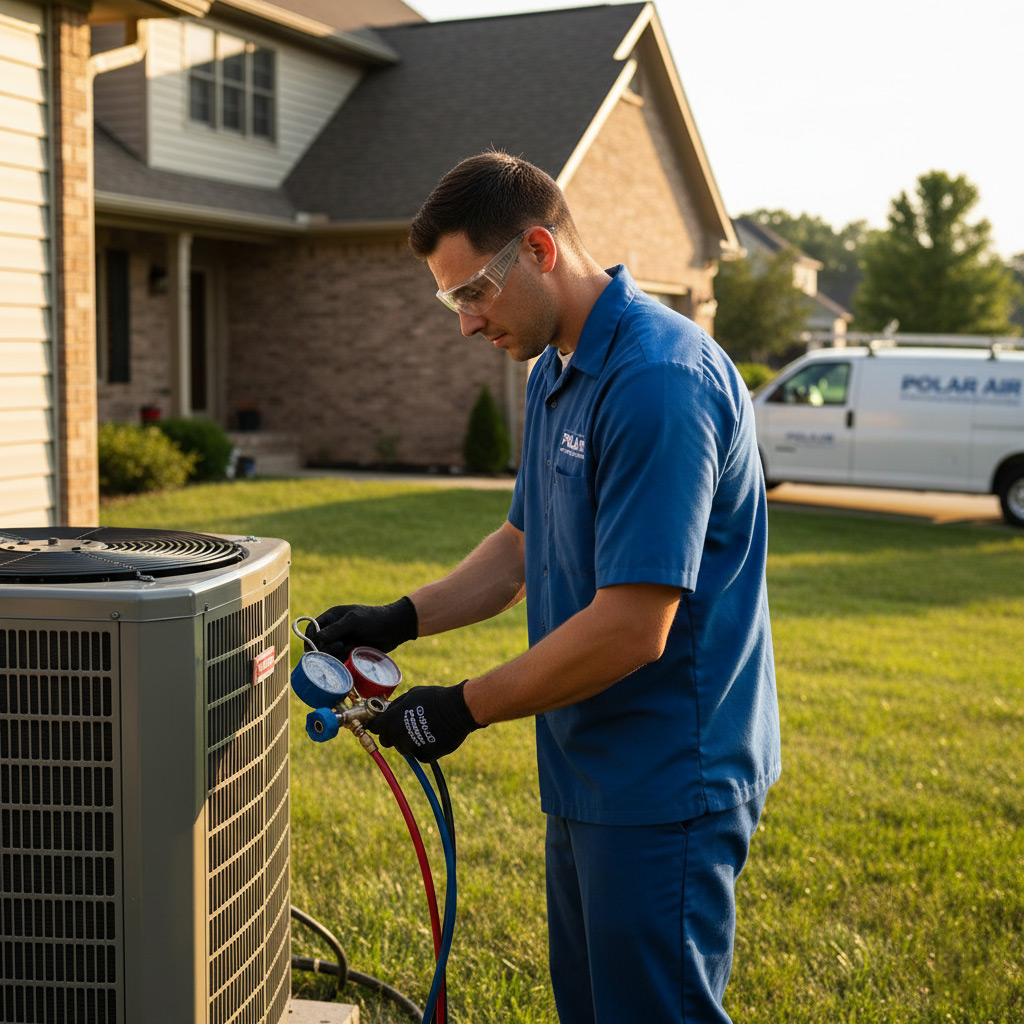
What Exactly Is Included in an HVAC Testing & Inspection?
When a technician steps onto your porch, they’re not just flipping a switch. They’re running a checklist that covers every part of the system that could turn a comfortable home into a sweaty nightmare. Think of it as a health exam for your furnace, AC, and ductwork.
Core Components of the Test
- Visual inspection of all visible components – burners, coils, fans, and electrical connections.
- Measurement of refrigerant pressure and temperature differentials to spot inefficiencies.
- Verification of thermostat calibration and control sequence accuracy.
- Airflow analysis using a manometer or anemometer to ensure proper distribution.
- Safety checks for carbon monoxide, gas leaks, and electrical grounding.
After the hands‑on work, the tech writes a report that spells out what’s working, what’s borderline, and what needs fixing. No vague “everything looks fine” line – you get clear numbers, recommended actions, and an estimate for any repairs.
Key Variables That Drive Testing Costs in Murfreesboro
System Size & Type
Big units demand more time, more parts, and more sweat. A 5‑ton commercial furnace will cost more to test than a 2‑ton residential split system. Complex systems—like heat pumps with auxiliary electric heat—add extra steps to the checklist.
Age & Condition
Older equipment often hides wear that forces technicians to dig deeper. A 20‑year‑old boiler may need pressure checks, leak detection, and a full refrigerant recovery, each with its own price tag. Newer units usually breeze through the inspection, keeping the bill lean.
Location & Accessibility
How easy it is to get to the unit matters. A rooftop unit on a steep roof or a basement furnace behind a cramped crawl space adds labor hours. Contractors will factor in the extra effort, and you’ll see it reflected in the invoice.
Season & Demand
Summer heat spikes demand for HVAC pros, and rates climb with the heat. Winter freezes do the same for furnace checks. Scheduling during the off‑season can shave a few hundred dollars off the total.
- Certification level of the technician – higher credentials = higher rates.
- Travel distance – the farther the tech drives, the more you pay.
- Additional services – duct leakage testing, indoor air quality analysis, or system balancing are optional add‑ons.
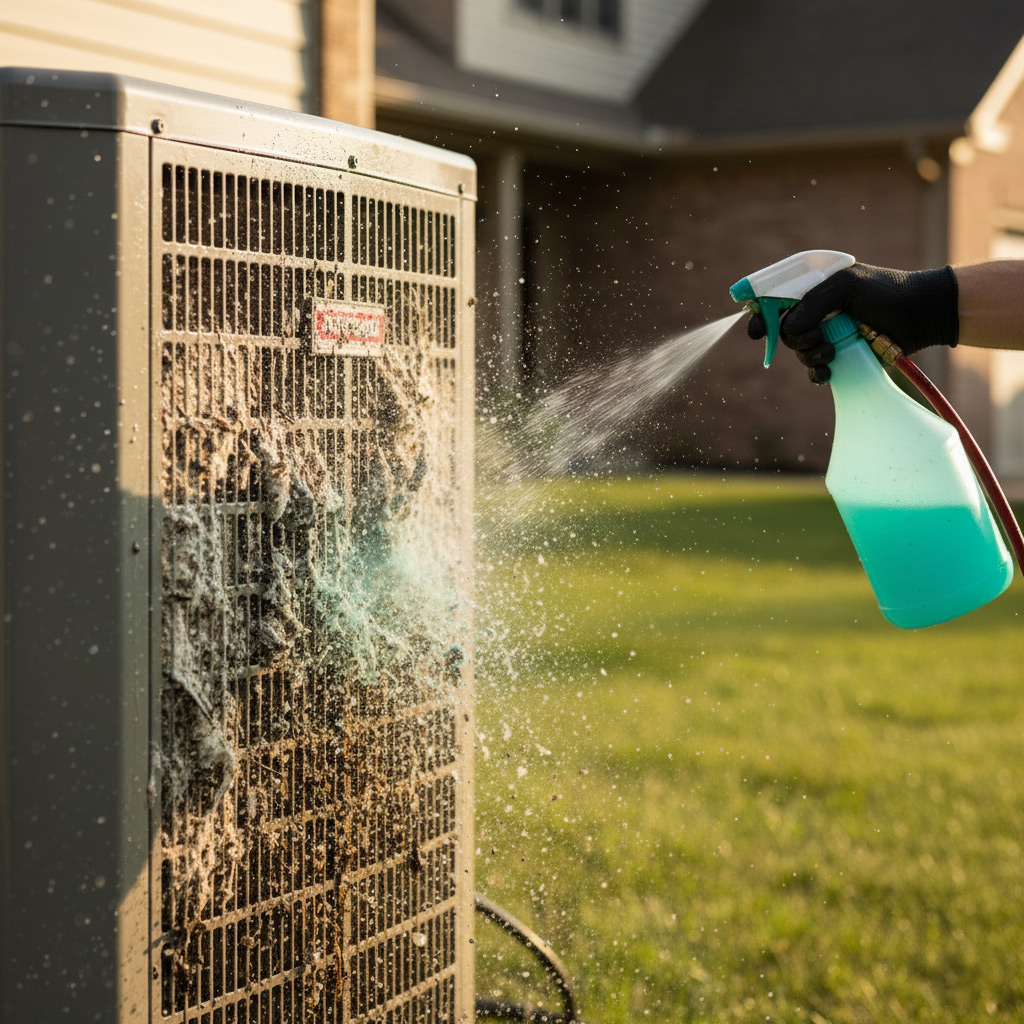
Average Pricing Breakdown by System Type, Size, and Age
System Type
Murfreesboro homeowners with a standard split‑system can expect a base inspection fee of $120‑$180. Packaged units, which combine heating and cooling in one box, usually run $150‑$220 because the tech has to climb onto the roof and check more components. If you’ve gone the ductless route, the price jumps to $180‑$250 as each indoor head needs individual testing.
- Split‑system: $120‑$180
- Packaged: $150‑$220
- Ductless mini‑split: $180‑$250
Size Matters
Big isn’t always better when it comes to inspection costs. A 2‑ton unit (roughly 24,000 BTU) adds about $30 to the bill, while a 5‑ton beast can tack on $80. The rule of thumb: every extra ton equals roughly $15‑$20 in labor.
- 2‑ton (24k BTU): +$30
- 3‑ton (36k BTU): +$45
- 5‑ton (60k BTU): +$80
Age Factor
Older equipment drags the price up because technicians spend more time hunting for wear and tear. Units under five years old stay in the $120‑$170 range. Those hitting the 5‑10‑year mark climb to $170‑$220, and anything older than a decade can push the invoice past $250.
- 0‑5 years: $120‑$170
- 5‑10 years: $170‑$220
- 10+ years: $220‑$300+
Uncovering Hidden Fees and Common Billing Pitfalls
When the invoice lands on your kitchen table, the first thing to scan for is anything that looks like a “nice‑to‑have” but wasn’t discussed. Contractors love to pad the bill with little extras that feel harmless until the total spikes.
Typical surprise charges
- Travel surcharge – a flat fee for showing up, even if you’re just a mile away.
- After‑hours premium – a 25% markup for a call after 5 p.m. or on weekends.
- Diagnostic hold – a $50‑$100 line item that disappears if you sign a repair contract, but stays if you walk away.
- Equipment markup – a percentage added on top of the parts cost, often double the wholesale price.
These fees can be avoided if you ask up front: “Do you charge a travel fee?” and “What’s the after‑hours rate?” A clear answer saves you from a nasty surprise later.
Common billing pitfalls to watch
- Minimum charge – a baseline fee that applies even if the job only takes 10 minutes.
- Duplicate line items – the same service listed twice under different names.
- Unnecessary service recommendations – “We recommend a full system tune‑up” when a simple filter change would do.
Ask for an itemized invoice and compare each line to the work you actually saw. If something feels off, call the office and demand clarification before you sign anything.
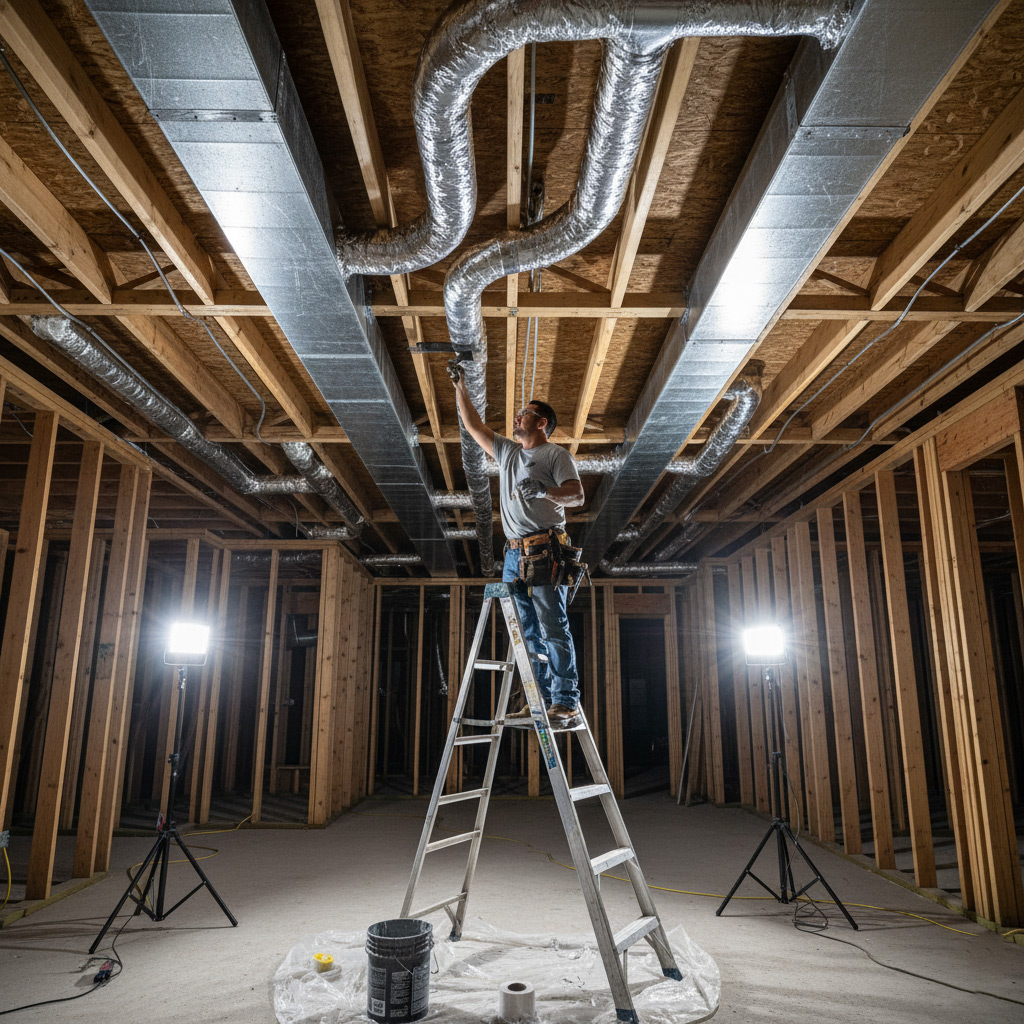
Strategies to Lower Your HVAC Inspection Expenses Without Sacrificing Quality
Plan Ahead and Bundle Services
Schedule your inspection during the off‑season; contractors often trim rates when business slows. Pair the test with routine maintenance—changing filters, cleaning coils, tightening connections—to lock in a package price. One invoice, one payment, less hassle.
Demand Transparency and Negotiate
Ask for an itemized quote before any work begins. Spot the line items that feel vague, then ask the tech to explain or drop them. Most firms will shave a few dollars if they see you’re paying attention.
Do Simple Prep Work Yourself
Clear debris around the outdoor unit, replace a dirty filter, and verify the thermostat is set to “auto.” These quick steps cut the technician’s labor time, which directly reduces the bill. Less time on site = lower cost.
- Check for local coupons or seasonal promos on the company’s website.
- Ask if a “homeowner discount” applies when you book online.
- Consider a reputable independent inspector if the big brands charge premium rates.
Case Study: Saving Money on a Full-Scale HVAC Test for a Murfreesboro Homeowner
Background
When Jane Doe, a longtime Murfreesboro resident, called for a comprehensive HVAC test, the initial quote read $1,250—enough to make anyone pause. She needed a full inspection of her 4‑ton central system, ductwork, and indoor air quality sensors before the summer heat hit.
The Challenge
Jane’s first estimate included several line items that most homeowners overlook:
- Diagnostic fee – $150, even though the technician would be on site anyway.
- Travel surcharge – $75 for “distance,” despite being only 5 miles from the office.
- Equipment age surcharge – $200 for “older units,” a vague charge with no breakdown.
These hidden costs pushed the total well beyond her budget.
The Solution & Savings
After a quick call, the contractor agreed to a transparent, item‑by‑item approach and offered three cost‑cutting tactics:
- Combine the diagnostic and travel fees into a single on‑site service charge of $120.
- Swap the vague “age surcharge” for a precise component‑level test at $90, only charging for parts that truly need attention.
- Schedule the inspection during a weekday off‑peak window, slashing the labor rate by 15% ($180 saved).
Jane walked away with a final bill of $845—a $405 reduction—without compromising the thoroughness of the test. The lesson? Ask for a detailed breakdown, negotiate bundled fees, and pick the right time slot.
Final Words
Before you sign the next service agreement, take a minute to audit the line items. A clear invoice should tell you exactly what was tested, how long it took, and why each charge matters. If something feels fuzzy, ask for a breakdown—most reputable Murfreesboro firms will gladly explain.
Quick Action Checklist
- Ask for a written scope before the technician arrives.
- Verify the technician’s certification and insurance.
- Compare the quoted price to the HVAC Testing And Inspection price guide you’ve just read.
- Request a copy of the test results and any recommended follow‑up work.
Remember, a solid inspection protects your home and your wallet. By staying informed and asking the right questions, you’ll keep the HVAC bill from turning into a surprise.
People Also Ask
What does a typical HVAC testing and inspection include in Murfreesboro?
The service usually covers a visual inspection, airflow measurement, refrigerant level check, thermostat calibration, and safety tests for carbon monoxide and gas leaks. Technicians also review system performance against manufacturer specifications.
How much should I expect to pay for an HVAC inspection in Murfreesboro?
Average costs range from $150 to $300 for a standard residential system, but prices can rise to $500 or more for larger or more complex units. Factors such as system age, size, and required certifications influence the final price.
Are there hidden fees I need to watch out for during an HVAC inspection?
Yes, some companies add extra charges for travel, after‑hours service, or detailed duct testing. Always ask for a written estimate that itemizes labor, parts, and any additional fees before the work begins.
Can I lower the cost of my HVAC testing without compromising quality?
Scheduling the inspection during off‑peak seasons, bundling it with routine maintenance, and requesting a pre‑inspection checklist can reduce expenses. Choosing a reputable local contractor with transparent pricing also helps avoid surprise costs.
How often should I have my HVAC system tested in Murfreesboro?
Most experts recommend a professional inspection at least once a year, ideally before the heating or cooling season starts. Regular testing helps maintain efficiency, extend equipment life, and catch safety issues early.
Murfreesboro HVAC brings over 15 years of certified heating and cooling expertise to the Murfreesboro community. Their team combines local knowledge with industry‑leading training to deliver reliable service for residential and commercial clients. Committed to energy efficiency and responsive support, they keep homes comfortable year‑round.
Need HVAC?
Fast, reliable heating and cooling service for homes and businesses in Murfreesboro, TN (37129, 37130, 37131, 37132) and nearby communities. We diagnose, repair, and install HVAC systems so you stay comfortable year‑round, often completing appointments the same day.
Get HVAC Quote