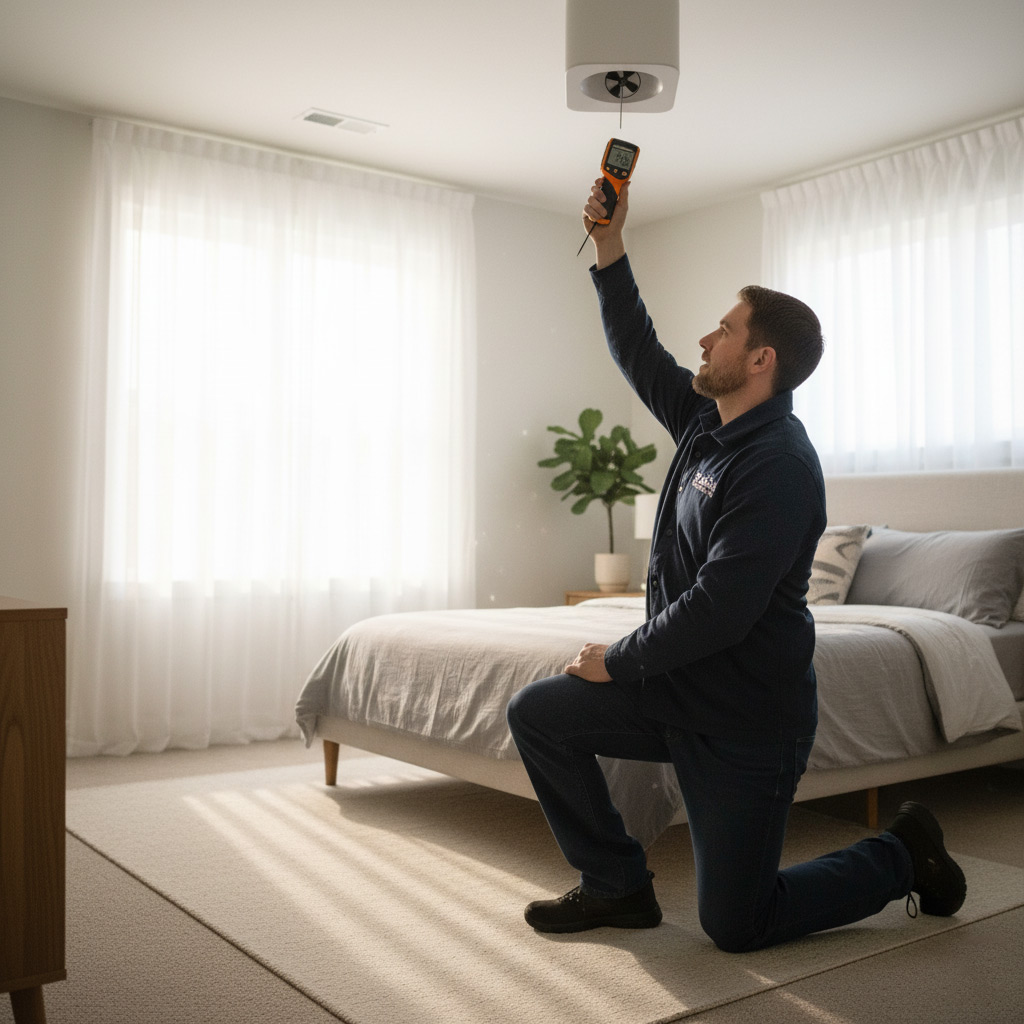
That sudden clank from your furnace feels like a warning shot, and the living room temperature drops faster than a cold beer on a summer porch.
Before you dial a repair tech, check the thermostat settings, make sure the air filter isn’t a brick, and verify the pilot light (if you have one) is still lit. A quick visual sweep can save you a call that ends up being a simple fix, and it gives you solid info to share with the pro.
Skipping these steps often leads to inflated invoices and longer downtime, especially when the culprit is something you could have handled yourself.
Now that you’ve got the basics covered, let’s walk through the exact checklist that will keep you in control and maybe even save a few bucks.
Common Causes of Central Heating Problems in Murfreesboro
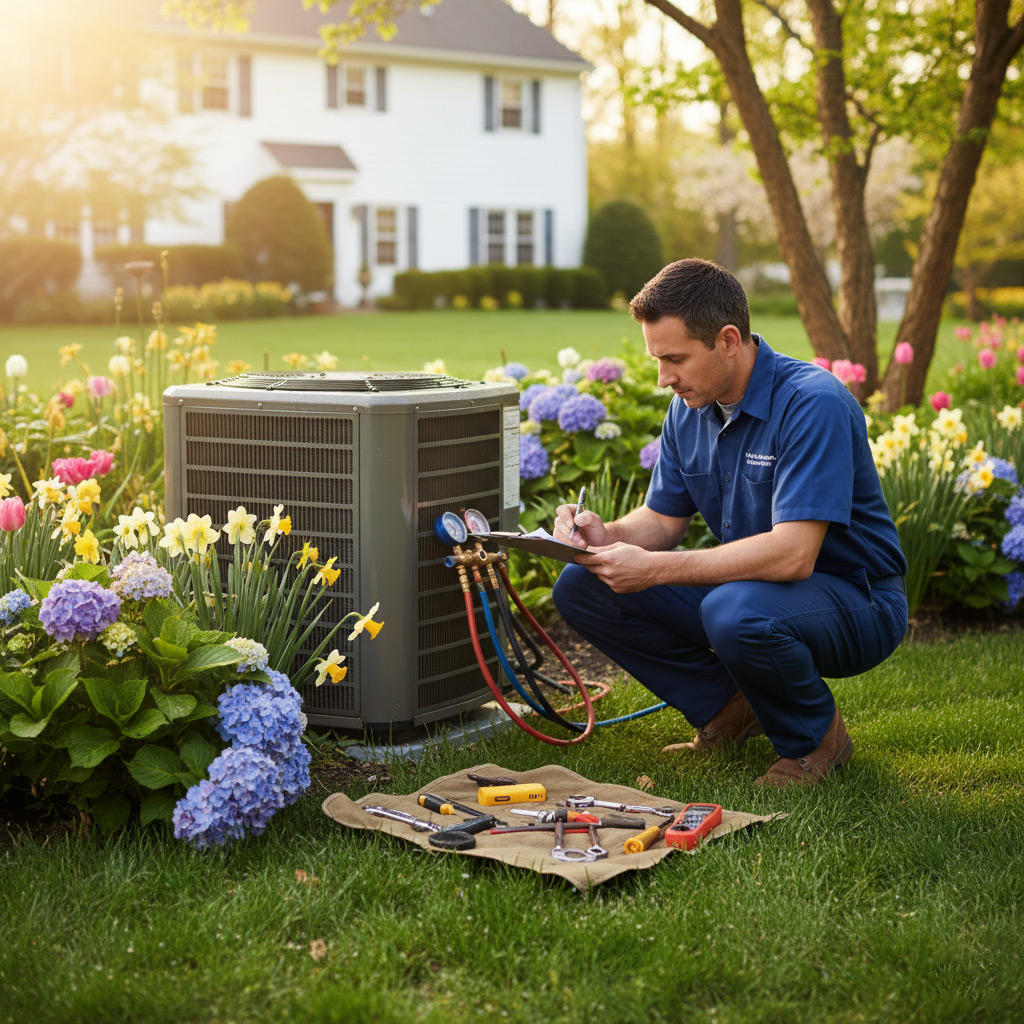
Winter in Murfreesboro can be brutal, and your furnace takes the brunt of it. When the system sputters, it’s often because something simple has gone sideways—like a clogged filter or a thermostat that’s lost its mind. Ignoring the early signs usually turns a quick fix into a pricey repair.
Typical Trouble Spots
- Dirty or clogged air filter: Restricts airflow, forces the blower to work harder.
- Faulty thermostat settings: Wrong mode or dead batteries can leave you shivering.
- Ignition or pilot‑light issues: A weak spark means the furnace won’t fire.
- Worn‑out blower motor: No circulation, no heat.
- Leaky ductwork: Warm air escapes before it reaches the living room.
Age plays a role, too. Units over 15 years often suffer from cracked heat exchangers or corroded burners. Those hidden cracks can leak carbon monoxide—something you never want to gamble with. Regular maintenance catches these problems before they become emergencies.
Detailed Pre‑Repair Diagnostic Checklist
Power and Circuit Check
First, make sure the furnace is actually getting power. Flip the main breaker, then the furnace’s dedicated switch—sometimes the tiny toggle gets knocked off during a cleaning.
While you’re at it, glance at the fuse box for any tripped fuses or loose wires. A quick reset can be the difference between a cold night and a warm one.
Airflow and Burners
Pull the front panel off and look at the blower wheel. If it’s clogged with dust, the furnace will overheat and shut down.
Next, inspect the burner assembly. Clear any soot or debris with a soft brush; a clean burner ignites faster and runs smoother.
Safety Switches and Sensors
Locate the limit switch and the flame sensor. These tiny components protect your home from overheating, but they’re also common failure points.
- Give the limit switch a gentle tap—if it’s stuck, the furnace won’t fire.
- Wipe the flame sensor with fine‑grade steel wool; a dirty sensor often tricks the system into thinking there’s no flame.
When you’ve run through these steps, you’ll have a solid snapshot of what’s wrong. That info saves you time, saves the tech money, and most importantly, keeps your family comfortable.
Safe DIY Inspection: Thermostat, Air Filter, Pilot Light, and More
Thermostat sanity check
First, make sure the thermostat is actually set to “heat” and the temperature is a few degrees higher than the room. If you have a programmable unit, verify the schedule isn’t stuck on an off‑cycle. Resetting the device (turn off power for a minute, then power back up) can clear a glitch that’s masquerading as a furnace failure.
Air filter – the silent choke point
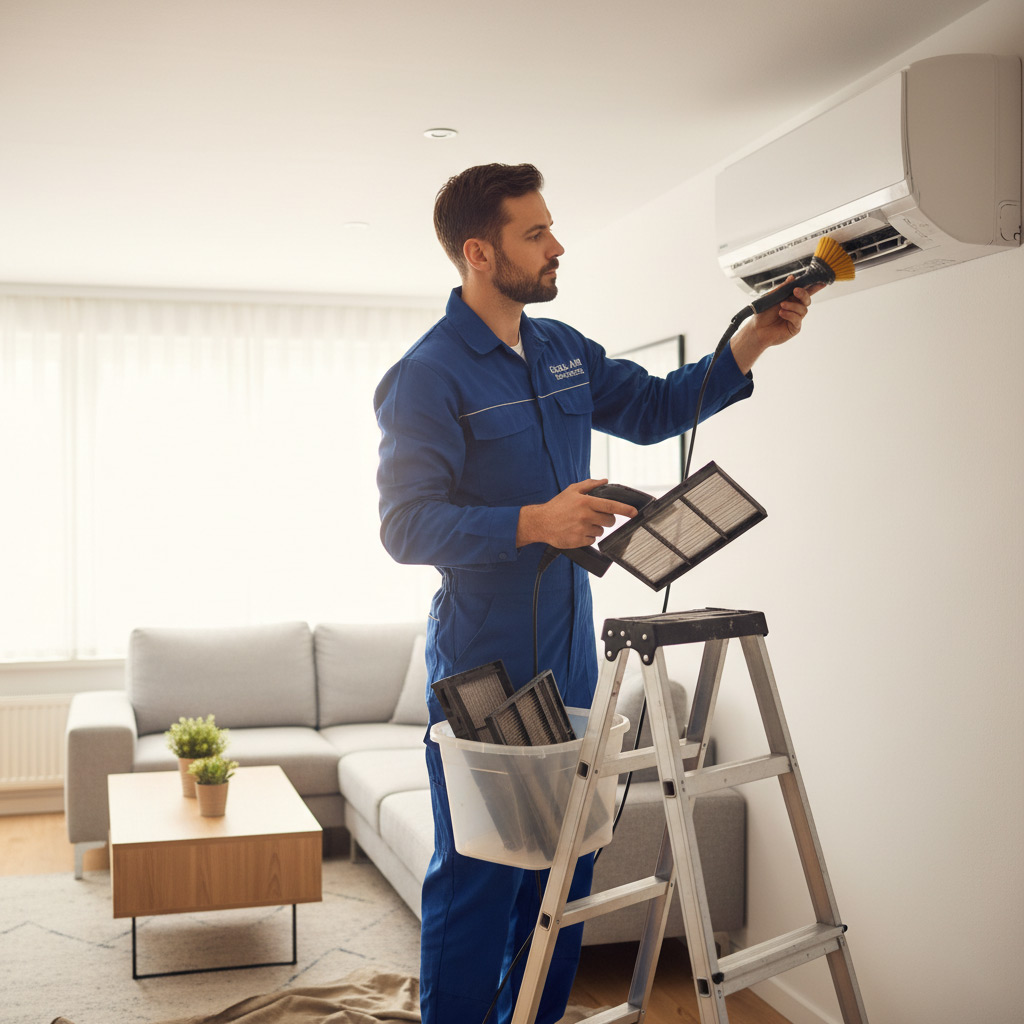
Pull the filter out and give it a once‑over. If it looks like a brick or you can’t push air through, it’s time for a swap. A clean filter restores airflow, reduces strain on the blower, and often eliminates the “won’t‑turn‑on” symptom. Tip: Keep a spare filter on hand; changing it every 30‑45 days saves you a call later.
Pilot light and ignition basics
For older gas furnaces, locate the pilot assembly and watch for a steady blue flame. A wavering or out‑of‑sight flame means the thermocouple may be dirty or the gas valve stuck. Before you reach for a match, turn the gas knob to “off,” wait a minute, then relight according to the manufacturer’s instructions. If the flame won’t stay lit after a few tries, that’s a red flag for a professional.
Red Flags That Require Immediate Professional Attention
When your furnace starts acting like a drama queen, it’s not just annoying—it’s a warning. Ignore the signs and you could be courting a costly breakdown or, worse, a safety hazard. Spot the red flags early and you’ll keep your home warm without the panic.
Gas Odor or Carbon Monoxide Alarm
If you sniff a rotten‑egg scent or hear that high‑pitched alarm, stop everything. This isn’t a “maybe” situation; it’s a call‑the‑pros moment.
- Turn off the furnace and any gas valves.
- Ventilate the area by opening windows.
- Evacuate the house and call your gas utility or 911.
Furnace Won’t Ignite or Keeps Cycling
A furnace that refuses to light or flickers on and off every few minutes is screaming for help. These symptoms often point to a faulty ignition system, a cracked heat exchanger, or a failing control board.
- Check for a steady flame if you have a pilot light.
- Listen for unusual clicking or buzzing noises.
- Note any error codes on the digital display and relay them to the technician.
Other deal‑breakers include water pooling around the unit, strange smells of burning plastic, and a sudden spike in your energy bill. If any of these pop up, pick up the phone—don’t wait for the cold to win.
Selecting a Reliable HVAC Repair Service in Murfreesboro
First thing’s first: make sure the company is licensed and insured. A legit tech will have a visible badge on their truck and can hand you a copy of their credentials on the spot. Don’t trust a “we’re the best” claim without proof. Look for a business that’s been serving Murfreesboro for at least a few years—longevity usually means they’ve earned the neighborhood’s trust.
Ask the Right Questions
- Do you specialize in the make and model of my furnace?
- What’s your response time for emergency calls?
- Can you provide a written estimate before you start?
- Do you offer a warranty on parts and labor?
When a tech answers, listen for confidence, not jargon. A clear, straightforward reply tells you they know their stuff and aren’t trying to hide anything. If they dodge a question, that’s a red flag—move on.
Finally, compare pricing, but don’t pick the cheapest option blindly. A transparent company will break down labor, parts, and any additional fees. Look for a guaranteed workmanship warranty and 24/7 emergency support. Those are the hallmarks of a service that stands behind its work and won’t leave you out in the cold.
Case Study: Quick Fix of a Faulty Pilot Light Saved a Family’s Winter Comfort
The Situation
When the Johnsons noticed their living room dropping to 55°F on a December night, they assumed the furnace was dead. Turns out, the pilot light had gone out during a power surge, leaving the gas valve idle.
Instead of waiting for a technician, they performed a simple visual check: the small orange flame was gone, and the safety switch was blinking red.
The Fix
Following the manufacturer’s guide, they:
- Shut off the gas supply for safety.
- Cleaned the pilot assembly with a soft brush to remove dust.
- Re‑lit the pilot using the reset button and a steady flame.
- Verified the flame stayed steady for a full minute before turning the furnace back on.
Within ten minutes, the furnace roared back to life, and the house warmed up to a cozy 70°F. No callout fee, no waiting, just a quick win.
What the Johnsons Learned
They realized that a faulty pilot light is often a DIY‑friendly issue, provided you follow safety steps. The key takeaways:
- Always turn off gas before inspecting.
- Keep the pilot assembly clean; grime is a common culprit.
- Know the reset procedure—most manuals have a one‑page cheat sheet.
When the problem persisted after a relight, they called a certified Murfreesboro HVAC pro, who discovered a cracked thermocouple and replaced it for under $200. The lesson? A quick fix can buy you time, but know when to hand it over to the experts.
Final Words
When the furnace finally hums back to life, you’ll feel the satisfaction of having taken charge. Knowing the basics—thermostat, filter, pilot—means you won’t be blindsided by the next hiccup.
Keep this cheat sheet handy
- Thermostat: Verify mode, battery, and schedule.
- Air filter: Replace if it looks dirty or hasn’t been changed in 90 days.
- Pilot light: Ensure it’s steady; a flicker often signals a gas issue.
- Safety switches: Test the emergency shut‑off and carbon monoxide detector.
And remember, if anything feels off—odd noises, strange smells, or a sudden loss of heat—don’t gamble. Call a vetted Central Heating Repair pro who knows Murfreesboro’s climate quirks. A quick call now can keep your winter cozy and your wallet happy.
People Also Ask
What are the first things I should check before calling a heating repair service in Murfreesboro?
Start by verifying the thermostat settings, ensuring the air filter is clean, and confirming the pilot light or ignition system is lit. Also, listen for unusual noises and check for visible leaks or error codes on the unit.
How can I tell if a heating issue is a DIY fix or needs a professional?
If the problem is limited to a dirty filter, dead batteries in the thermostat, or a tripped breaker, you can likely resolve it yourself. Issues like gas odors, persistent no‑heat, or repeated error codes require a licensed HVAC technician.
What safety precautions should I take when inspecting my furnace?
Turn off the power and gas supply before opening any panels, and never attempt to repair gas lines or electrical components without proper training. Use a flashlight and wear gloves to avoid burns or cuts.
When should I schedule an emergency heating repair in Murfreesboro?
Call immediately if you smell gas, notice water leaking from the furnace, or if the system completely stops working during extreme cold. These conditions can pose health risks or cause property damage.
How do I choose a reliable HVAC repair company in Murfreesboro?
Look for locally licensed contractors with positive reviews, transparent pricing, and emergency service options. Verify they offer warranties on parts and labor to protect your investment.
Murfreesboro HVAC brings over 15 years of certified heating and cooling expertise to the Murfreesboro community. Their team combines local knowledge with industry‑leading training to deliver reliable service for residential and commercial clients. Committed to energy efficiency and responsive support, they keep homes comfortable year‑round.
Need HVAC?
Fast, reliable heating and cooling service for homes and businesses in Murfreesboro, TN (37129, 37130, 37131, 37132) and nearby communities. We diagnose, repair, and install HVAC systems so you stay comfortable year‑round, often completing appointments the same day.
Get HVAC Quote